Flank vs. Skirt Steak: Understanding Your Best Grill Cut
When firing up the grill, few cuts of beef offer the versatility and robust flavor of flank and skirt steak. Both are beloved by home cooks and pitmasters alike for their distinct characteristics and ability to absorb bold marinades. Yet, despite their similarities, understanding the nuances between these two popular cuts is key to unlocking their full potential and ensuring a tender, juicy, and flavorful meal every time. Especially when it comes to a stellar marinated flank steak recipe, knowing your cut is half the battle.
What is Flank Steak? The Griller's Go-To for Flavor
Flank steak is a lean, flat cut of beef sourced from the cow's lower abdominal muscles. Known for its distinct grain, flank steak is inherently tougher than more expensive cuts due to its active muscle fibers and lower fat content. This lean profile means it requires minimal trimming, making it a cost-effective and convenient choice for many. However, its toughness is precisely why flank steak benefits immensely from tenderization through marination and proper cooking techniques. Without a good marinade, flank steak can be dry and chewy. But with the right approach, it transforms into an incredibly flavorful and succulent dish.
Chefs and home cooks consistently turn to flank steak for its ability to soak up flavors, making it a fantastic canvas for a wide array of marinades and seasonings. Its broad, flat shape also makes it ideal for quick, high-heat cooking methods, perfect for a weeknight meal or a weekend barbecue. Whether you're aiming for fajitas, stir-fries, or a standalone steak, flank steak delivers a satisfying beefy punch.
Flank Steak vs. Skirt Steak: A Head-to-Head Battle of the Cuts
While often used interchangeably, flank and skirt steaks are not identical. Both come from working muscles of the cow, contributing to their robust flavor and fibrous texture, but their origins and characteristics differ significantly:
- Origin: Skirt steak comes from the diaphragm of the cow, specifically two types: inside skirt and outside skirt. Flank steak, as mentioned, is from the lower abdomen.
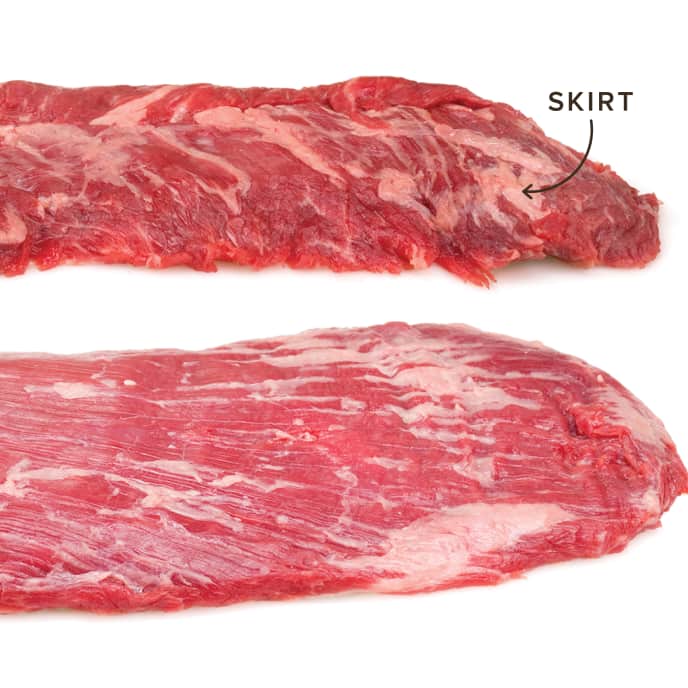
- Fat and Marbling: Skirt steak tends to be fattier and possesses more marbling (intramuscular fat) than flank steak. This higher fat content often translates to a richer flavor and a slightly more forgiving cooking experience, as the fat helps keep the meat moist.
- Thickness and Width: Flank steak is generally thicker and wider than skirt steak. Skirt steak is typically longer and narrower, with a more pronounced, looser grain.
- Texture: Both are known for their coarse grain, but skirt steak's grain is often more prominent, sometimes making it feel slightly more tender if sliced correctly due to its looser fibers. Flank steak, being thicker, can feel denser if not properly tenderized.
So, which is better for the grill? It often comes down to personal preference and how you plan to prepare it. Skirt steak's higher fat content can make it incredibly juicy and flavorful, especially when cooked quickly over high heat, making it a classic choice for fajitas. Flank steak, while leaner, excels at absorbing marinade flavors, making it perfect for dishes where you want the marinade to shine. Its wider surface area also makes for impressive presentation when sliced and fanned out.
If you find yourself without flank steak, skirt steak is an excellent substitute, and vice versa. Other suitable alternatives for similar applications include top round steak and hanger steak, both offering good flavor and benefiting from similar preparation techniques.
The Secret Weapon: A Phenomenal Flank Steak Marinade
Given flank steak's lean and muscular nature, a high-quality marinade isn't just an option; it's a necessity for achieving a tender, juicy, and flavorful result. A well-constructed marinade performs a dual role: tenderizing the meat and infusing it with layers of flavor. The key lies in balancing acidic, enzymatic, and savory components.
A classic and highly effective flank steak marinade recipe often features a blend of:
- Vegetable Oil: Helps distribute fat-soluble flavors and keeps the steak moist.
- Soy Sauce: Provides umami depth, saltiness, and aids in browning.
- Red Wine Vinegar / Lemon Juice: Acids that help break down tough muscle fibers, tenderizing the meat. They also add a tangy brightness.
- Worcestershire Sauce: Adds a complex, savory, and slightly tangy flavor profile.
- Dijon Mustard: Offers a sharp, pungent flavor and also acts as an emulsifier, helping the marinade ingredients blend.
- Garlic: Essential for aromatic depth and classic savory taste.
- Ground Black Pepper: Adds a touch of spice and rounds out the flavor.
For optimal results, flank steak should marinate in the refrigerator for at least two hours. While two to six hours will yield great results, for the absolute best texture and deepest flavor penetration, consider marinating overnight, or for up to 12 hours. The longer the marination time (within reason), the more time the acids and enzymes have to work their magic, and the more flavor the steak will absorb. For deeper insights into creating the perfect marinade, explore Marinate for Perfection: Tender Flank Steak Every Time.
Mastering the Cook: How to Grill, Oven-Roast, or Stovetop Your Flank Steak
Once your flank steak has been beautifully marinated, the next step is to cook it to perfection. Flank steak is incredibly versatile and can be cooked using various methods, each imparting its unique character. Regardless of the method, remember to remove the steak from the marinade, shaking off any excess liquid before cooking, and always slice against the grain for maximum tenderness.
Here are popular cooking methods for your marinated flank steak:
- On the Grill: Grilling is perhaps the most popular method for flank steak, offering a delicious smoky char.
- Preheat your outdoor grill to medium-high heat (about 400-450°F / 200-230°C). Lightly oil the grates.
- Place the marinated flank steak on the hot grill. Grill for 4-6 minutes per side for medium-rare (internal temperature 130-135°F / 54-57°C) or 6-8 minutes per side for medium (135-140°F / 57-60°C).
- Use a meat thermometer inserted into the thickest part of the steak to monitor doneness.
- Achieving a good sear on both sides is key to locking in juices and developing flavor.
- In the Oven: For a hands-off approach, oven-roasting can produce excellent results, especially if you start with a quick sear.
- Preheat oven to 375°F (190°C).
- For a richer crust, sear the marinated flank steak in a hot, oven-safe skillet (like cast iron) for 2-3 minutes per side on the stovetop.
- Transfer the skillet to the preheated oven, or arrange the seared steaks in a baking dish lined with aluminum foil.
- Bake for 10-15 minutes, or until the desired internal temperature is reached (130-145°F / 54-63°C).
- On the Stove: A cast-iron skillet on the stovetop is ideal for achieving a beautiful crust and even cooking.
- Heat a heavy-bottomed skillet (cast iron works best) over medium-high heat until very hot. Add a tablespoon of high-smoke-point oil (like vegetable or canola).
- Sear the marinated flank steak for 4-6 minutes per side, depending on thickness, until a deep brown crust forms and the internal temperature reaches 130-145°F (54-63°C).
- For thicker steaks, you might sear both sides and then finish in a preheated oven (as described above) to ensure even cooking without burning the exterior.
Crucial Final Step: Resting and Slicing Regardless of your chosen cooking method, always let your flank steak rest for 5-10 minutes after cooking. This allows the juices to redistribute throughout the meat, resulting in a more tender and juicy steak. Finally, and most importantly, always slice flank steak thinly against the grain. This shortens the muscle fibers, making each bite significantly more tender and enjoyable. For comprehensive instructions on all cooking methods, check out our guide on Best Flank Steak Recipe: Grill, Oven, or Stovetop Methods.
Beyond the Plate: Serving Suggestions and Culinary Versatility
A perfectly cooked marinated flank steak is incredibly versatile in the kitchen. Its robust flavor and ability to be sliced thinly make it ideal for a multitude of dishes. Think vibrant steak fajitas, hearty steak salads, delicious stir-fries, or loaded steak sandwiches. The thin slices are also excellent for incorporating into tacos, quesadillas, or even as a main protein served simply with grilled vegetables and a chimichurri sauce.
Experiment with different marinade flavors, from a zesty Cuban Mojo with its sour, acidic notes, to Asian-inspired soy-ginger concoctions. Each marinade will bring a unique character to the beef, further showcasing the adaptability of this amazing cut.
Conclusion
While flank and skirt steaks share common ground as economical, flavorful cuts perfect for the grill, understanding their subtle differences empowers you to make the best choice for your next meal. Flank steak, with its leaner profile and broader surface, is a true champion when it comes to absorbing marinades. Mastering a fantastic marinated flank steak recipe is a culinary superpower, transforming a humble cut into a tender, juicy, and incredibly flavorful experience. With the right marinade and proper cooking and slicing techniques, you'll consistently create memorable meals that prove inexpensive cuts can often deliver the most satisfying results.
